The 14th Annual Digital Health Summit
Bridging the Gap: Digital Health and AI for Smarter Care,
Stronger Teams, and Sustainable Healthcare
June 24, 2026
 This year’s theme, Bridging the Gap: Digital Health and AI for Smarter Care, Stronger Teams, and Sustainable Healthcare, centers on the practical deployment of AI to close gaps in access, reduce administrative burden, and tackle the chronic disease crisis at scale.
With chronic conditions accounting for 90% of the $4.5 trillion in annual U.S. healthcare spending, the stakes couldn’t be higher—and the time for smart, actionable innovation is now. CTRC is leading the charge, equipping healthcare organizations with the knowledge, tools, and training to deploy AI responsibly, maximize digital investments, and ensure their teams are not just ready—but confident—navigating this new era.
You’ll hear from national thought leaders, technologists, and frontline staff who are turning today’s challenges into tomorrow’s breakthroughs including in rural California. Sessions will spotlight AI-driven efficiencies, workflow automation, specialty care access, and whole-person care models, all tailored to high-burden, high-cost conditions like diabetes, cardiovascular disease, and obesity. Whether you’re designing the future or adapting to it, this summit is your chance to:
- Learn from trailblazing experts and real-world implementers
- Connect with peers across roles and regions
- Access concrete, scalable strategies for transformation
- Be part of a movement to level the playing field in healthcare
We have secured sponsorship to ensure access for all provider and their team members. Registration is free. Transformation starts here.
Registration: CTRC’s 2026 Annual Digital Health Summit
Virtual Event | June 24, 2026
To help you plan your summit experience, please note that registration is session‑based. Attendees must register individually for each session they plan to attend. Please use the registration links listed below to secure your spot.
Having trouble registering?
Some users may experience issues with the registration link due to a Microsoft error. We apologize for the inconvenience. If this happens, try using an incognito/private browser window or clearing your cache before visiting a registration link.

The AAFP has reviewed CTRC 14th Annual Digital Health Summit and deemed it acceptable for up to 7.00 Live AAFP Prescribed credit(s). Term of Approval is from 06/24/2026 to 06/24/2026. Physicians should claim only the credit commensurate with the extent of their participation in the activity.
AAFP Prescribed credit is accepted by the American Medical Association as equivalent to AMA PRA Category 1 credit(s)™ toward the AMA Physician’s Recognition Award. When applying for the AMA PRA, Prescribed credit earned must be reported as Prescribed, not as Category 1. For all AAFP credit equivalencies and recognition, please see the AAFP Credit System website.
Note: Sessions not eligible for AAFP credit will be labeled accordingly.
OPENING REMARKS
Setting the Vision: Digital Health, AI, and the Future of a Sustainable Health Ecosystem
Time: 8:30 – 8:55am PT
Healthcare organizations are being asked to do more with less: expand access, protect workforce capacity, and sustain care delivery under mounting operational and financial pressure. This opening remark frames digital health and AI as part of a broader ecosystem transformation—not a collection of tools. The session connects strategy to practical leadership: how to prioritize initiatives that reduce friction, strengthen teams, and support long-term sustainability. Participants will hear how system-level trends (access constraints, workforce strain, and sustainability requirements) shape implementation choices and why governance, measurement, and partnership models matter as much as the technology itself.
Not eligible for AAFP credit
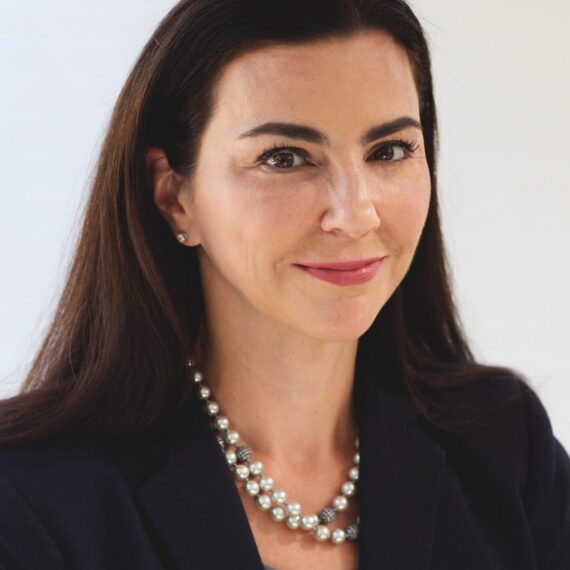
Jennifer Stoll
President of California Telehealth Network, Chief External Affairs Officer of OCHINOPENING KEYNOTE
Setting the Foundation: Statewide Digital Health Priorities under California’s Rural Health Transformation Program
Time: 9:00 – 9:45am PT
Rural providers across California are facing persistent workforce shortages, rising operational pressures, and increasing expectations to deliver more care locally with limited resources. In response, California has launched the California Rural Health Transformation Program (CalRHT)—a statewide initiative supported by more than $233 million in federal funding for the initial budget period—to strengthen rural healthcare capacity through workforce development, technology modernization, and new care delivery models.
This opening keynote will outline what California has publicly announced about CalRHT and how the state is approaching telehealth, remote patient monitoring (RPM), and other technology‑enabled services as essential infrastructure for rural care delivery. The session will describe California’s emphasis on regional hub‑and‑spoke care networks, digital tools that extend workforce capacity, and technology investments designed to meet rural communities where they are—geographically, operationally, and digitally.
The keynote will also frame how state policy direction aligns with the CTRC Summit 2026 focus on digital health, emphasizing strategic sequencing, readiness, and sustainability. Participants will gain clarity on how California expects rural organizations to align digital health strategy, workforce planning, and funding decisions to move beyond short‑term initiatives toward durable, adaptable care delivery models.
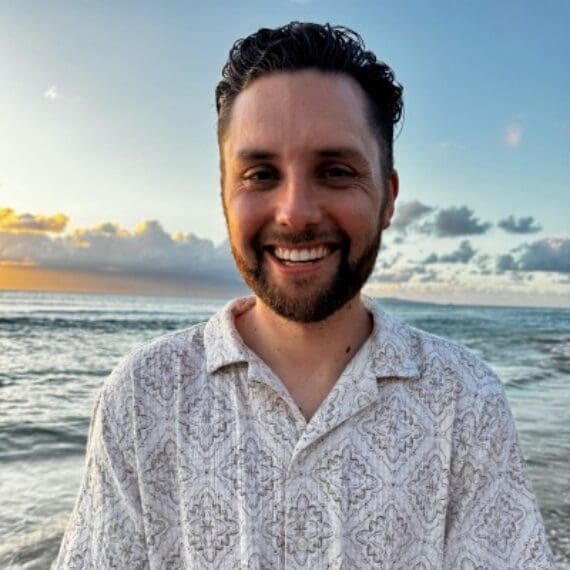
Jacob Parkinson
DxF Program DirectorCLOSING KEYNOTE
From Promise to Practice: Preparing Care Teams for Generative AI in the Next Year
Time: 4:00 – 4:45pm PT
Generative AI is moving rapidly from research settings into everyday clinical environments—but successful adoption depends far less on the technology itself than on how it is designed, integrated, evaluated, and governed within real care systems.
In this closing keynote, Dr. Chen draws on lessons from Stanford’s applied research and early deployments of generative AI in healthcare to examine what it takes to move from promising demonstrations to meaningful, safe, and sustainable use. Rather than focusing on speculative futures, the session centers on near-term realities: how care teams interact with AI tools, where generative systems reliably add value, where they introduce new risks or burdens, and how organizations can learn responsibly as they scale.
The talk frames generative AI as a sociotechnical capability, not a plug-and-play solution—requiring deliberate attention to workflow fit, workforce readiness, evaluation methods, and governance structures. Participants will leave with a clearer understanding of how to prioritize use cases, support clinicians, and establish guardrails that enable learning and improvement over the next 6–12 months.
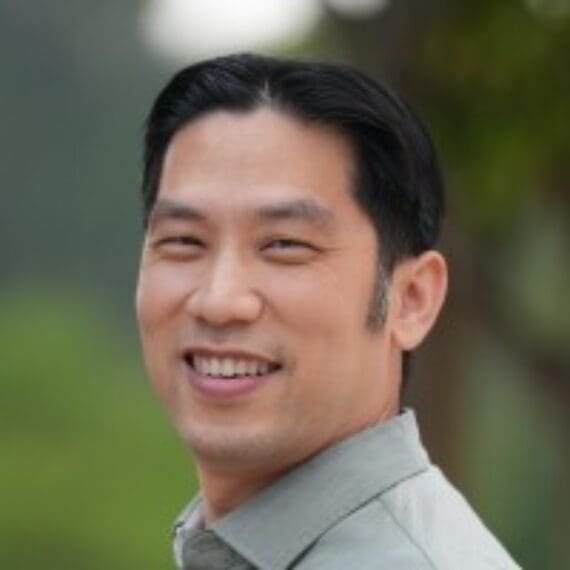
Jonathan H. Chen MD, PhD
Associate Professor Director for Medical Education in Artificial Intelligence Stanford Division of Computational Medicine + Division of Hospital Medicine + Clinical Excellence Research Center Department of Medicine + Biomedical Data ScienceSPEAKERS
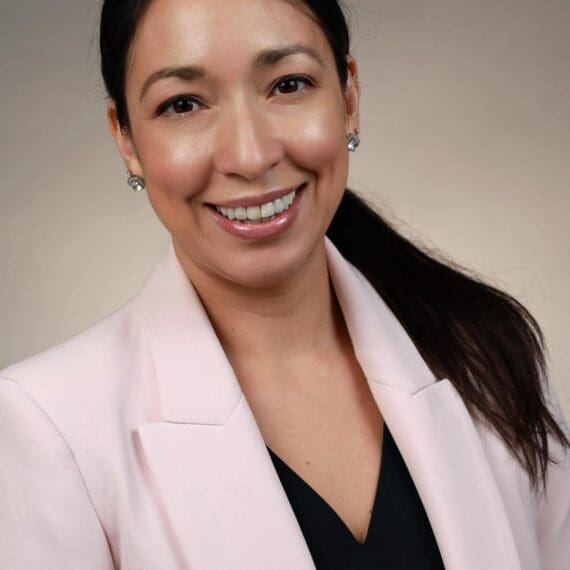
Yimdriuska Magan, MD, MPH
Co-founder Alma FirstDr. Gigi Magan is a board-certified family physician practicing at a Federally Qualified Health Center in Northern California. She...
SESSION 1
From Clinic to Community: Scaling Chronic Disease Management Beyond the Visit
Time: 10:00 – 10:45am PT
Chronic disease care happens far beyond the exam room—particularly in Federally Qualified Health Centers, where patient outcomes are shaped as much by daily conditions as by clinical encounters. This session spotlights applied, real-world approaches to extending care between visits without increasing clinician burden.
Drawing on Dr. Magan’s hands-on experience implementing chronic care models in FQHC settings, the session explores how telehealth, remote monitoring, and AI-enabled workflows can support proactive, team-based care for complex populations.
The speaker focuses on practical system design: how to integrate digital modalities and supportive services into daily workflows; where automation adds value versus where human connection matters most; and how to coordinate across clinical, nutrition, and care management roles. The session emphasizes measurable impact—patient engagement, clinical outcomes, utilization, and staff workload—grounded in lessons learned from implementation, not theory.
SPEAKERS
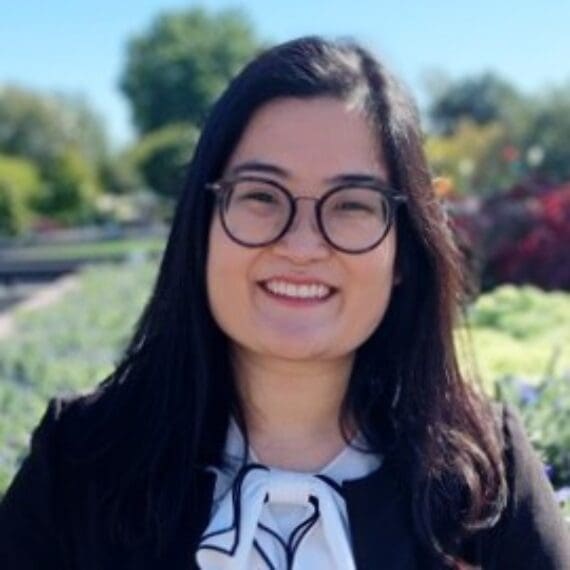
Jan Ileto, MSPH
CTRC Policy and Regulatory Affairs ManagerJan Ileto is a Policy and Regulatory Affairs Manager at the California Telehealth Resource Center (CTRC). She leads federal regula...
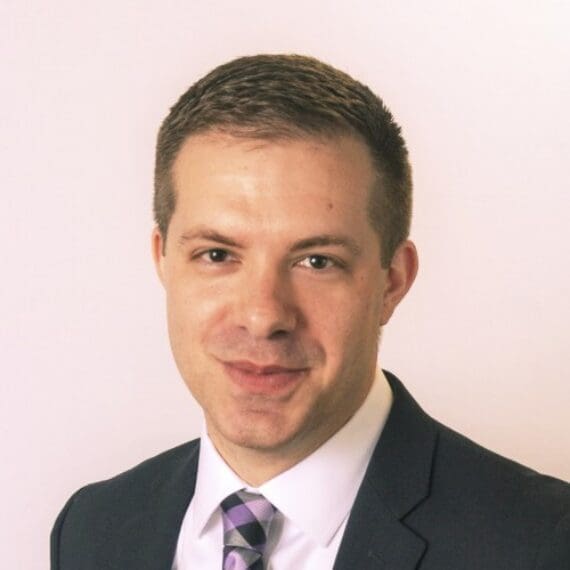
Chris Adamec, MPA
Executive Director of the Alliance for Connected CareChris Adamec has 15 years of experience elevating and empowering clinicians, patients, caregivers, and organizations to influence ...
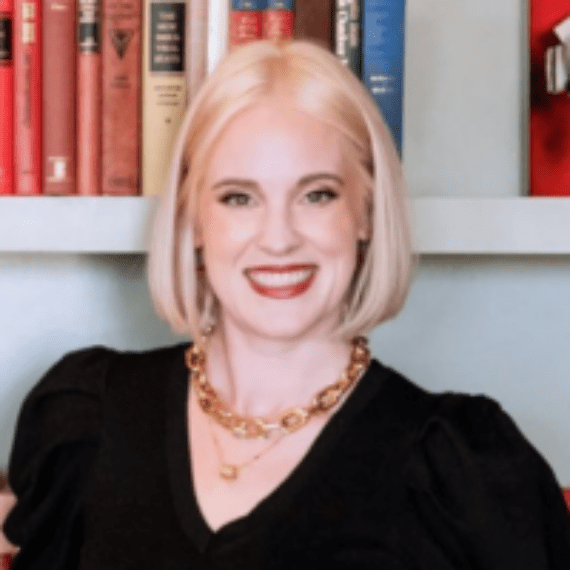
Rebecca Gwilt, Esq.
Elevare LawRebecca Gwilt launched Elevare Law to redefine legal partnerships for healthcare and technology innovators. With over a decade of ...
SESSION 2
From Innovation to Sustainability: Payment and Policy Pathways That Make Digital Care Scalable
Time: 11:00 – 11:45am PT
Digital health has moved firmly into the mainstream—but long-term sustainability still hinges on how federal policy and Medicare payment pathways are evolving. This session offers a national, bigpicture view of where digital health policy is headed and what those shifts mean for organizations designing care models today.
Featuring national experts in telehealth, remote patient monitoring (RPM/RTM), Medicare payment, and AI policy, the discussion will cover the major federal forces shaping the next phase of scale: the stabilization of Medicare telehealth, ongoing refinement of RPM and RTM pathways, the emergence of outcomes aligned models such as CMS ACCESS, the FDA’s TEMPO pilot for technology enabled chronic care, and the growing integration of AI into federal health policy and reimbursement conversations.
Rather than focusing on code-by-code updates, the session emphasizes directional signals: how Medicare is moving from episodic, visit based reimbursement toward longitudinal, technology supported care; where accountability is shifting from federal oversight to provider led design and evaluation; and what payers increasingly expect from digital programs that aim to scale.
The goal is practical clarity. Participants will leave with a shared understanding of what is becoming durable, what remains in flux, and how to assess whether a digital service is positioned to survive beyond pilot funding—across fee-for-service, value-based, and hybrid payment environments.
SPEAKERS

Lydia M. Kotowski, JD, MHA
CTRC Policy and Regulatory Affairs ManagerLydia M. Kotowski, JD, MHA, is a Policy and Regulatory Affairs Manager at the California Telehealth Resource Center (CTRC) and a r...

Sylvia Trujillo MPP, JD
CTRC Strategic AdvisorSylvia Trujillo is a healthcare policy, AI, and digital health strategist with a proven track record of driving innovation, effici...
SESSION 3
Trust Is Built, Not Bought: Making AI Safe and Defensible in Clinical Care
Time: 1:00 – 1:45pm PT
As AI moves from experimentation into clinical and operational use, trust becomes the defining challenge—not just trust in the technology, but trust from clinicians, regulators, patients, and boards. This session focuses on how healthcare leaders earn that trust in practice.
Lydia Kotowski grounds the discussion in California’s evolving regulatory expectations, clarifying what state agencies are signaling around AI use, oversight, and accountability. Sylvia Trujillo situates those expectations within the broader health IT and compliance ecosystem, connecting AI governance to familiar structures such as quality, safety, privacy, security, and clinical operations.
Rather than treating regulation as a barrier, the session reframes it as a design constraint that, when handled well, enables scale. Speakers translate policy and trust principles into concrete actions CEOs and clinical leaders can take now: defining risk categories, setting minimum evidence thresholds, establishing ownership and escalation paths, and monitoring performance over time.
The emphasis is pragmatic and leadership focused. Attendees will leave with a clear sense of how to prepare their organizations—and their clinicians—for AI that is auditable, defensible, and usable in real clinical settings, without building a research lab or slowing innovation to a halt.
SPEAKERS

Lily Lau, PhD
President-Elect, Board of Directors, California State Rural Health Association + CEO, Momentous HealthLily Lau, PhD, is President-Elect of the Board of Directors of the California State Rural Health Association and CEO of Momentous ...
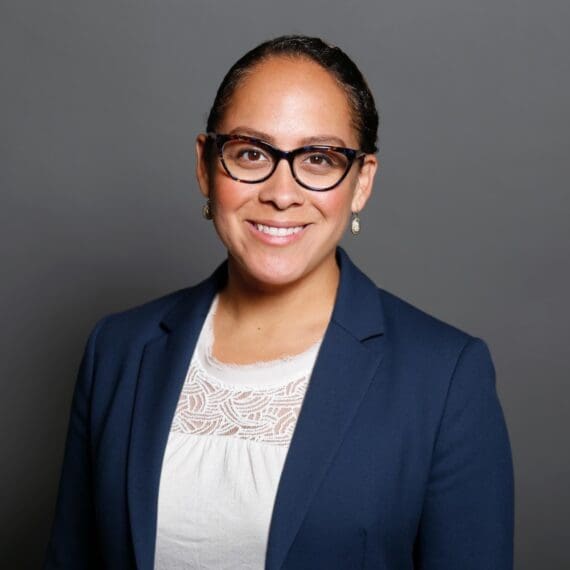
Emilia Ochoa-Ruiz, MS, PMP
CTRC ManagerEmilia Ochoa-Ruiz brings over 18 years of experience in healthcare, spanning clinical informatics, interoperability, and digital h...

Martin Entwistle, MBA, MB, ChB, FRCSEd
Chief of Medical Affairs Marshall at Medical CenterDr. Entwistle is Chief of Medical Affairs Marshall at Medical Center (MMC).
His primary responsibilities are to oversee the medi...
SESSION 4
Building What Lasts: Rural Digital Health Sustainability in Practice
Time: 2:00 – 2:45pm PT
Rural hospitals and clinics are under pressure to modernize care delivery while navigating thin margins, workforce shortages, and limited implementation capacity. In this fireside chat, rural leaders share candid perspectives on what is driving sustainability in digital health—and what is not.
The conversation features Marshall’s digital health optimization journey, as Martin Entwistle discusses how Marshall is pursuing a rural led regional network that blends telehealth, remote monitoring, and hybrid care models in partnership with the State of California. They will reflect on early design choices, tradeoffs, and lessons learned as they move from concept to implementation—particularly around workforce readiness, governance, and keeping care (and revenue) local.
Lily Lau brings a complementary statewide lens, sharing what she is hearing and learning from rural providers across California about adoption barriers, sustainability inflection points, and the conditions under which digital health becomes a stabilizing force rather than an added burden.
Together, the panel focuses on practical, experience-based insights: how rural organizations prioritize use cases, structure partnerships, align digital tools with real staffing models, and avoid one-off pilots in favor of durable, network-based approaches.
SPEAKERS
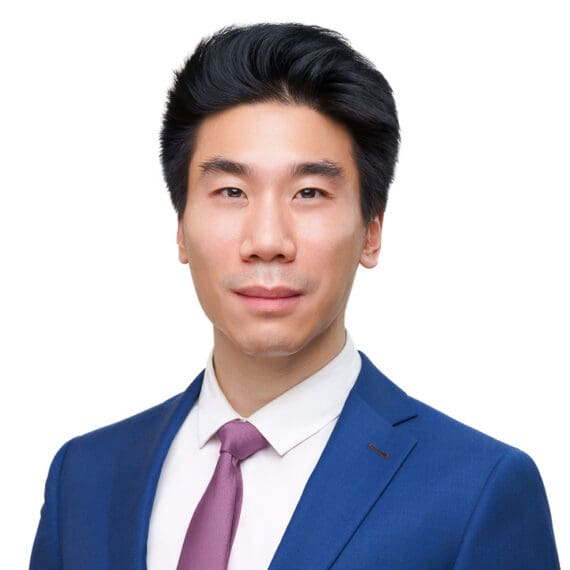
David Wu MD, PhD
Harvard-Stanford AI Research and Science Evaluation (ARISE) NetworkDavid Wu is a physician–scientist and resident in the Harvard Combined Dermatology Program at Harvard Medical School and Massach...
Sylvia Trujillo MPP, JD
CTRC Strategic AdvisorSylvia Trujillo is a healthcare policy, AI, and digital health strategist with a proven track record of driving innovation, effici...

Adam Rodman, MD, MPH, FACP
General Internist and Medical Educator at Beth Israel Deaconess Medical Center, Assistant Professor at Harvard Medical SchoolAdam Rodman is a general internist and medical educator at Beth Israel Deaconess Medical Center and an assistant$ professor ...
SESSION 5
Clinical AI That Delivers: Evidence, Workflow Fit, and What Actually Changes Care
Time: 3:00 – 3:45pm PT
Why do some AI tools meaningfully improve clinical care—while others quietly fade into the background or increase burden? This panel brings together two leading physician researchers whose work has shaped how health systems understand clinical reasoning, decision support, and the real-world impact of AI at the point of care.
Drawing on rigorous research and hands-on experience, panelists will examine what determines whether clinical AI is trusted, adopted, and sustained. Topics include selecting use cases that align with clinical judgment, integrating AI into everyday workflows without increasing cognitive load, and designing systems that support—not replace—human decision-making. The discussion will also address where AI most often fails: unclear accountability, poor workflow fit, over automation, and insufficient monitoring after deployment.
Rather than focusing on specific tools, the session emphasizes transferable lessons from research and practice—how to evaluate claims, test AI safely in live environments, build feedback loops with clinicians, and measure both benefit and unintended burden. Attendees will leave with a clearer mental model for deciding when AI is likely to help, when it may harm, and how to design implementations that respect clinical work as it happens.