Screening for SDOH can involve discussions of sensitive and potentially stigmatizing topics, such as financial and food insecurity, and has the potential to exacerbate or cause new trauma if not done in an empathetic and patient-centered manner.
Blog
Screening for SDOH and specific social risk factors, such as unstable housing, food insecurity, and lack of transportation, has become increasingly common in health care settings over the last few years, as appreciating the fuller context of the lives and lived experience of patients is fundamental to a patient-centered, whole-person approach to care.
Telehealth has been happening in some form or another for over 20 years, but the COVID-19 pandemic caused the more providers and patients than ever to make the shift to virtual services when the lockdown restricted access to in-person appointments. Get an inside look on how virtual access to these services impact students and theirRead more
Telehealth has been happening in some form or another for over 20 years, but the COVID-19 pandemic caused the more providers and patients than ever to make the shift to virtual services when the lockdown restricted access to in-person appointments. Get an inside look on how virtual access to these services impact students and theirRead more
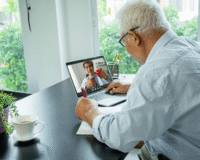
This guide, produced by the Northeast Telehealth Resource Center, contains 8 tips to make your video visit experience a success.
Jill Hill is a patient at Chapa-De Indian Health, one of the health centers participating in the Sustainable Models of Telehealth in the Safety Net Program. Like many rural communities, Grass Valley, CA, and its residents suffer from a shortage of mental health professionals. Jill’s story helps illustrate why telehealth is a critical tool forRead more
Featured, Get Started, Grow Your Program, Guidelines and Toolkits, What's New | Comments are Closed | 1 April, 2021 | 0
The goal of the Program Developer is to allow new programs to learn from the experience of others, to reduce trial and error, and most of all to create successfully operating telemedicine programs. It can easily be adapted and customized to the size and formality of your program. Updated 2021 version now available. Click toRead more
Want to take advantage of telehealth, for yourself or a loved one? Download this handy patient checklist from Caravan Health to make sure you are prepared for your telehealth visit. DOWNLOAD NOWRead more