Need Help? (877) 590-8144
  • VIEW ALL RESOURCES
California Telehealth Resource CenterCalifornia Telehealth Resource CenterCalifornia Telehealth Resource CenterCalifornia Telehealth Resource Center
  • About CTRC
    • Our Mission
    • How We Do it
    • Our Team
    • Our Advisory Board
  • Tools and Resources
    • For Providers
    • Payment & Regulation
      • Digital Health Payment Guide
        • Digital Health Services Payment Guide Door 1
        • CTRC Digital Payment Guide – Door 2
    • Rural Health
    • Artificial Intelligence
    • Remote Physiological Monitoring
    • School-Based Telehealth
    • Patient Resources
    • Videos
    • Sustainability Calculator
    • Equipment Selection Tool
    • CTRC Blogs
    • CTRC Newsletters
  • Training and Education
    • CTRC Telehealth Online Courses
    • TeleHealth Course Finder
    • National Consortium of TRCs
    • Telehealth Summit
  • Events Calendar
  • Contact Us

Broadband Fact Sheet for Consumers

    Home Featured Broadband Fact Sheet for Consumers
    NextPrevious

    Broadband Fact Sheet for Consumers

    By Aislynn Taylor | Featured, Patients | 0 comment | 10 December, 2024 | 0
    CLICK TO VIEW

    Fact Sheet Overview & Resources

    Introduction
    Reliable and affordable internet access is essential for consumers and patients who need to access digital health resources. This fact sheet provides an overview to help consumers understand broadband internet and its role in digital health, addressing common questions such as:

    • What is broadband?
    • What is digital health?
    • Why is broadband important for digital health?
    • How can I determine if my internet is fast enough for digital health needs?
    • What should I do if I don’t have internet access?

    Intended Audience
    This fact sheet is designed for individuals seeking to learn more about broadband and digital health, including consumers of digital health services.

    It is also intended for care providers who want to educate their patients on the topic.

    Consumer Resources
    The document highlights various resources that consumers can use to improve their connectivity and understand their broadband options:

    • Federal Communication Commission (FCC) Resources
      1. Broadband Labels: Similar to nutrition labels on food, these labels provide essential information about internet plans from service providers. You can learn more about them on the FCC website and view an example label template.
      2. Household Broadband Guide: The FCC offers a general consumer guide and a guide to speed selection to help consumers choose the right internet plan. Visit their broadband consumer guide for more details.
    • Telehealth Technology Assessment Center
      1. This center provides an internet speed test to check if you are getting the expected upload and download speeds, along with other quality metrics like latency and loss.
    • National Telecommunications and Information Administration (NTIA)
      1. NTIA’s “Internet for All: Broadband 101” guide explains why broadband matters, how broadband technologies work, and important factors related to quality and reliability. You can find the guide here.

    Telehealth Resources
    For telehealth visits, the Northwest Telehealth Resource Center provides a “Find Telehealth Access Points” tool that guides users to local telehealth service providers and Telehealth Access Points (TAPs), where they can access devices and broadband if they don’t have home connectivity. Visit Find Telehealth for more information. This resource was generated in partnership with the Southwest Telehealth Resource Center.

    The Northeast Telehealth Resource Center has a “Prepare for Visit” widget that walks patients through checking connectivity, camera, and audio before telehealth visits.

    What if I Don’t Have Internet?
    For individuals lacking internet access, there are low-cost connectivity programs and resources available:

    • Lifeline Program: The FCC’s Lifeline program offers affordable access to phone and mobile data plans for low-income consumers. Learn more about it here.
    • National Digital Inclusion Alliance (NDIA): NDIA maintains a list of affordable internet plans and other broadband resources, accessible here.

    Digital Safety
    Maintaining online safety is crucial for protecting your identity and communications. Best practices include using secure websites, creating strong passwords, updating software regularly, and employing multi-factor authentication and cybersecurity tools. For more tips:

    • Cybersecurity Best Practices: The Cybersecurity and Infrastructure Security Agency offers a comprehensive list on e-commerce and identity theft prevention.
    • Stop|Think|Connect Campaign: This initiative provides basic cybersecurity advice, accessible here.
    • Be Internet Awesome: A family-based internet safety program that offers an informative guide.

    Download this fact sheet here:
    Download the fact sheet: [Connecting for Health: The Importance of Broadband in Digital Health].

    No tags.

    Aislynn Taylor

    More posts by Aislynn Taylor

    Related Posts

    • Young Woman with headphones. Smiling at computer

      Expanding Access to Care in Indigenous Communities: The Role of Virtual Care

      By Mariah Getch | 0 comment

      In commemorating Native American Heritage Month, we should take concrete steps to address longstanding limits affecting access to culturally competent healthcare for Indigenous communities in California. This blog, brought to you by the California TelehealthRead more

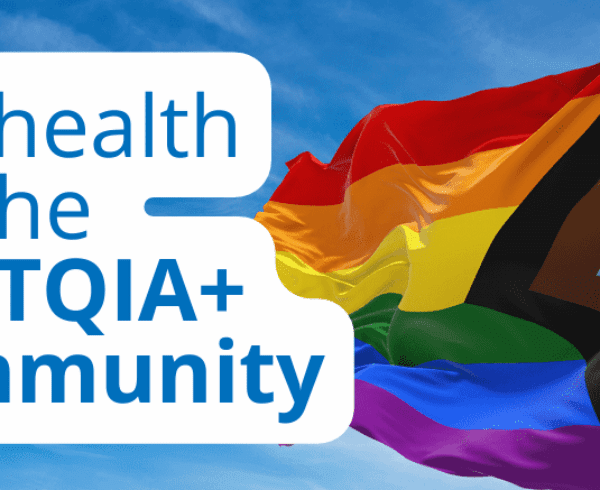
    • This image shows a pride flag with text that shows the benefits of telehealth for the LGBTQIA+ community.

      Telehealth for the LGBTQIA+ Community

      By Mariah Getch | 0 comment

      Telehealth offers a safe, secure, and accessible platform for the LGBTQIA+ community, enabling access to affirming healthcare professionals without geographical boundaries.

    • CTRC Video Library

      Teletherapy: Revolutionizing Access to Mental Health Care

      By Mariah Getch | 0 comment

      In this blog post, we delve into the transformative power of teletherapy, exploring its impact on mental health, and how it’s reshaping the accessibility of mental health services across the globe.  

    • CTRC Telehealth Course Finder

      10 Benefits of Telehealth for Autism Diagnosis and Treatment

      By Mariah Getch | 0 comment

      As telehealth revolutionizes health care delivery for patients worldwide, one area that holds promise is the diagnosis and treatment of autism spectrum disorder (ASD). In this blog, we will explore the many advantages of telehealth for individuals with autism and their families.

    • Telehealth Resources For Patients

      8 Things to Know Before Your First Telehealth Visit

      By Mariah Getch | Comments are Closed

      Telehealth, also known as telemedicine, is a mode of health care that uses secure digital technologies such as videoconferencing and telephone services to connect patients and providers.

    Leave a Comment

    Cancel reply

    Your email address will not be published. Required fields are marked *

    NextPrevious
    California Telehealth Resource Center

    The California Telehealth Resource Center (CTRC) is a leading source of knowledge and education for telehealth providers, patients, and safety net populations across California. A proud part of the National Consortium of Telehealth Resource Centers.

    Phone: (877) 590-8144

    Grow Your Telehealth Knowledge

    • Equipment Selection Tool
    • TeleHealth Course Finder
    • Sustainability Calculator
    • All Resources
    • Success Stories

    Popular Resources

    • California Legislation & Regulatory Updates
    • National Consortium of TRCs
    • How Do I Use Telehealth?
    • Telehealth Specialty Provider List
    • Clinic-to-Patient Specific Workflow

    Sign Up for Our Newsletter


    The California Telehealth Resource Center (CTRC) and all resources and activities produced or supported by the CTRC are made possible by grant number U1UTH42520-01-01 from the Office for the Advancement of Telehealth, Health Resources and Services Administration, DHHS. This information or content and conclusions are those of the CTRC and should not be construed as the official position or policy of, nor should any endorsements be inferred by HRSA, HHS, or the U.S. Government. The information and tools presented on the California Telehealth Resource Center’s (CTRC) website are intended for general information purposes only and are not intended or implied to be a substitute for professional legal and billing advice. We recommend discussing billing and legal decisions with your organization’s compliance officer to ensure agreement or consulting with an attorney regarding any legal issue. All materials are strictly for informational and educational purposes only.
    • About CTRC
      • Our Mission
      • How We Do it
      • Our Team
      • Our Advisory Board
    • Tools and Resources
      • For Providers
      • Payment & Regulation
        • Digital Health Payment Guide
          • Digital Health Services Payment Guide Door 1
          • CTRC Digital Payment Guide – Door 2
      • Rural Health
      • Artificial Intelligence
      • Remote Physiological Monitoring
      • School-Based Telehealth
      • Patient Resources
      • Videos
      • Sustainability Calculator
      • Equipment Selection Tool
      • CTRC Blogs
      • CTRC Newsletters
    • Training and Education
      • CTRC Telehealth Online Courses
      • TeleHealth Course Finder
      • National Consortium of TRCs
      • Telehealth Summit
    • Events Calendar
    • Contact Us
    California Telehealth Resource Center